Chemistry & Materials
Which Paper Towel Absorbs the Most Water?
Learn how to compare the water‑absorption power of everyday paper towels with a simple experiment that teaches capillary action, measurement, and data analysis.
THE SCIENCE PROJECT LIBRARY
Everyday materials, clear steps, and big questions. Find a hands-on project that fits your curiosity.
Learn how to compare the water‑absorption power of everyday paper towels with a simple experiment that teaches capillary action, measurement, and data analysis.
A hypothesis is a testable prediction that guides an experiment. This guide shows how to write clear hypotheses, gives real‑world examples, and walks you…
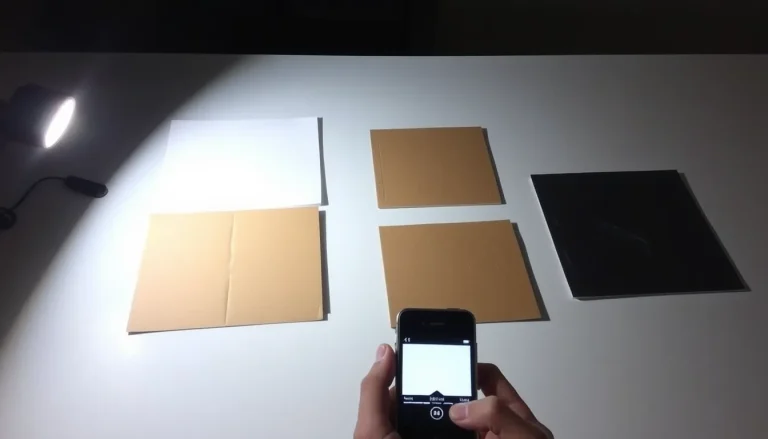
In this simple home experiment you’ll compare how well different everyday materials absorb visible light. Using a flashlight, a few sheets of paper or…
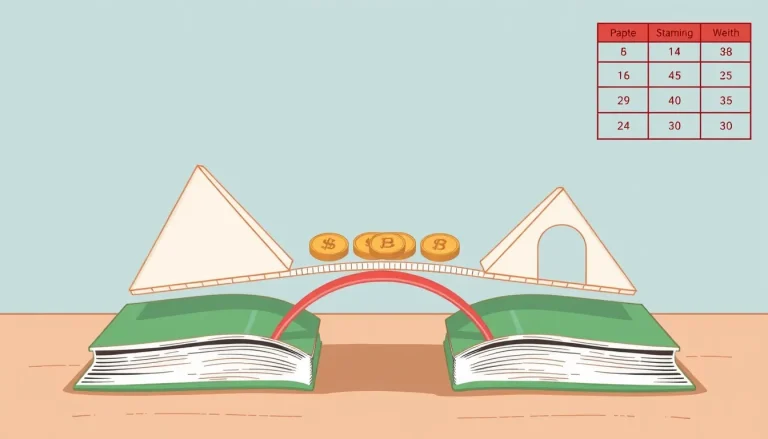
Build simple paper bridges in three shapes—triangle, square, and arch—test how much weight each can support, and discover why triangles are the strongest shape…
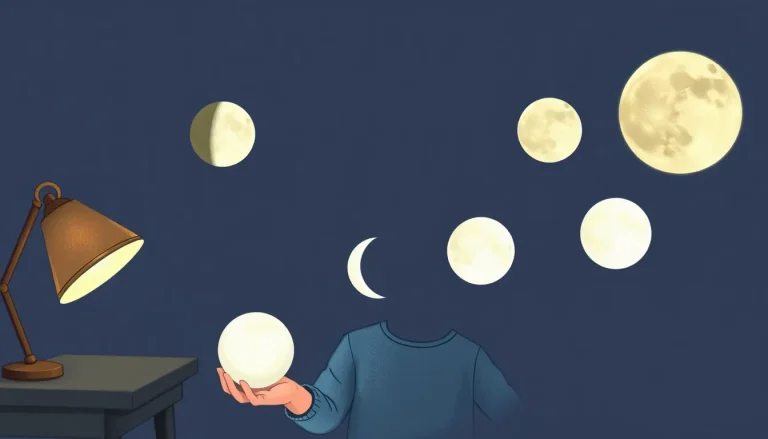
A simple lamp‑and‑ball model lets children see why the Moon looks different each night. By holding a ball in a lamp’s light and turning…
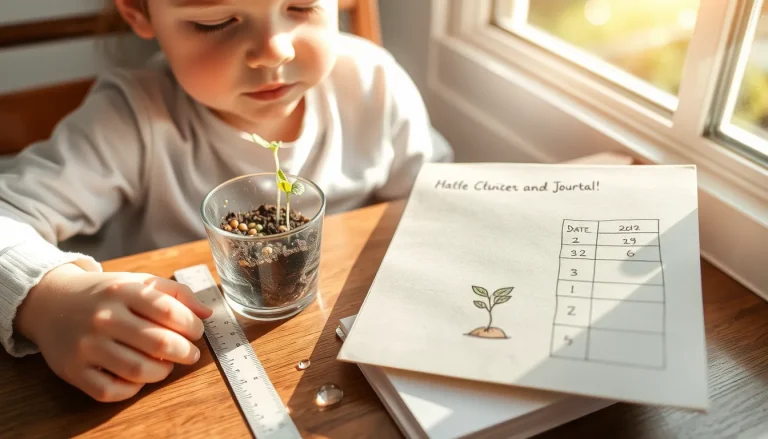
Children plant seeds, record daily changes in a simple journal, and learn how roots, stems, and leaves develop. The activity uses everyday items and…
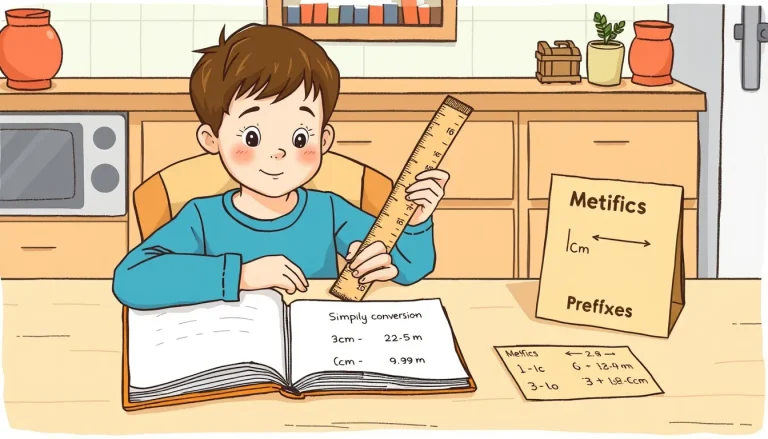
Learn how to pick appropriate measurement units and convert them correctly with a hands‑on demonstration using everyday materials.
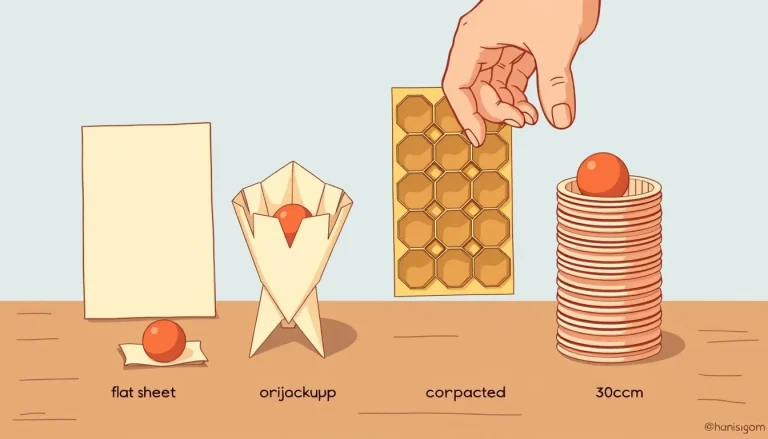
Children test four paper constructions—flat sheet, origami cup, honey‑comb panel, and corrugated tube—to see which shape absorbs impact energy best and keeps a clay…
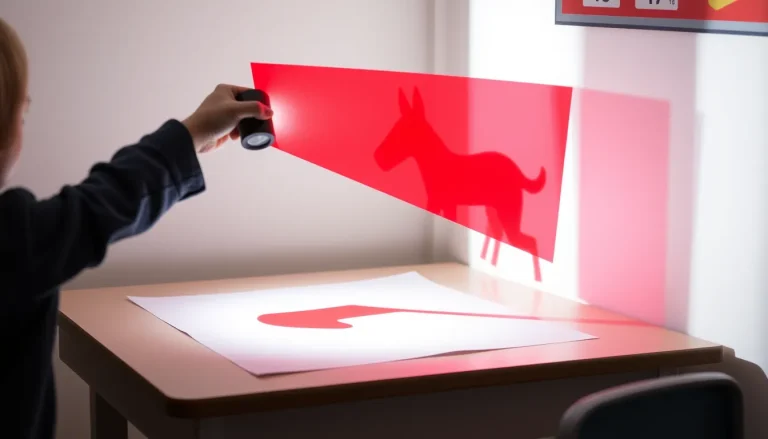
Create vivid colored shadows using paper, transparent colored sheets, and a simple light source. This low‑mess demonstration lets students see how light, color filters,…