Overview
This project guides children to plant a seed, watch it sprout, and record what they see over several days or weeks. By keeping an observation journal, learners develop habits of careful description, measurement, and reflection—core practices of science. The activity uses only everyday items (seeds, a cup, water, and paper) and can be done at home, in a classroom, or during a homeschool lesson.
Before You Begin
- Choose a quiet, well‑lit workspace where the seed containers can stay undisturbed for at least two weeks.
- Gather all materials (see list below) and set up a clean surface.
- Explain to children that the goal is to observe, not to make the seed grow faster. Emphasize consistent daily notes.
Materials
- Seeds – any fast‑germinating variety such as radish, bean, or cress (about 5–10 per child).
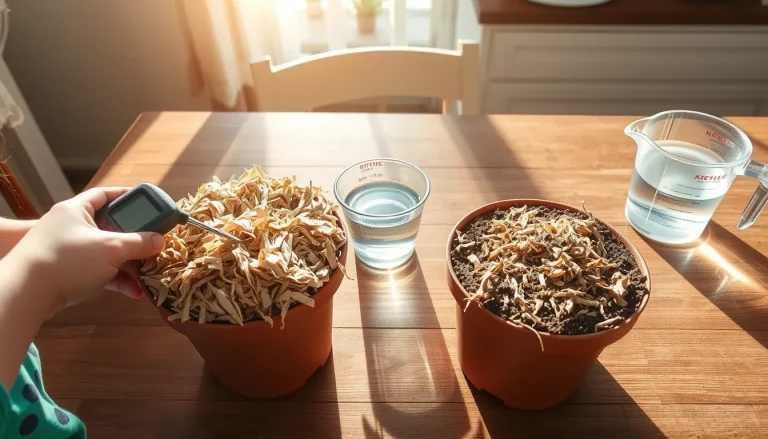
- Small planting containers – plastic cups, yogurt cups, or recycled milk cartons.
- Potting mix or damp paper towels (optional, see alternative).
- Water in a small measuring cup or spray bottle.
- Ruler or measuring tape (centimeters).
- Observation journal – a notebook, binders with lined pages, or printed journal sheets (see template).
- Pen or pencil, and colored crayons for drawings.
All items are commonly found at home or in a classroom supply closet. If potting mix is unavailable, damp paper towels inside the cup work well for sprouting seeds.
Steps
- Label the container. Write the child’s name and the seed type on the outside of the cup.
- Prepare the planting medium. Fill the cup about 2 cm deep with moist potting mix or place a folded damp paper towel.
- Plant the seeds. Make small holes (about 1 cm deep) with a pencil tip, place 2–3 seeds in each hole, then cover lightly with soil or towel.
- Water gently. Add enough water to make the medium moist but not soggy. Use a spray bottle for even coverage.
- Place the cup in a stable spot. A windowsill with indirect sunlight works well. Avoid moving the cup once it’s set.
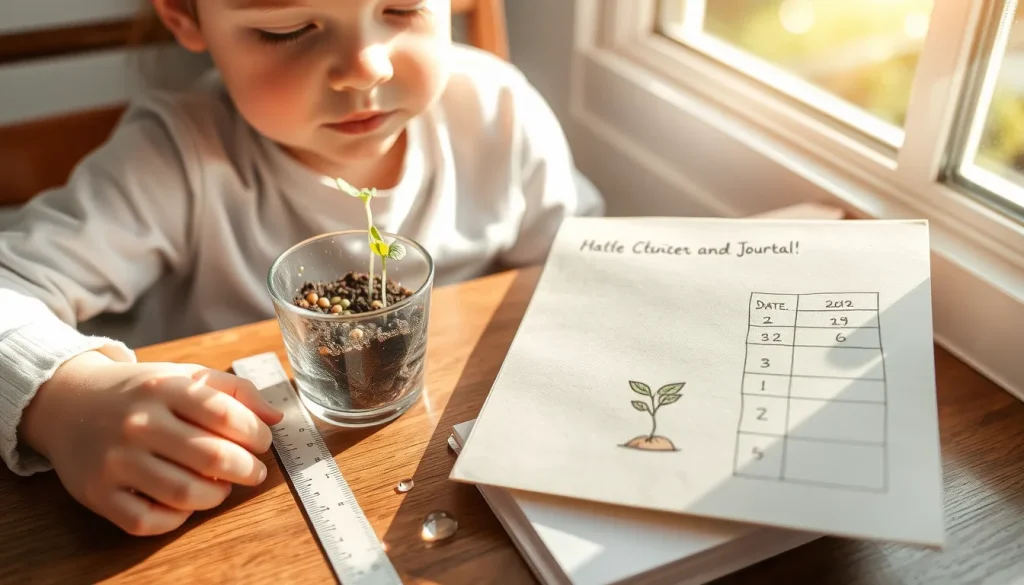
- Start the observation journal. On the first page record the date, seed type, and initial conditions (light level, temperature, water amount).
- Observe daily. Each day at roughly the same time, look at the seed and record:
- What new parts are visible? (e.g., root tip, shoot, leaf).
- Measure the length of the longest shoot or root (to the nearest millimeter).
- Sketch a simple drawing of the plant.
- Note any changes in water level or soil moisture.
- Water as needed. Keep the medium moist. Record each watering event in the journal.
- Continue for at least two weeks. Most fast‑germinating seeds will show visible shoots within 3‑7 days and true leaves within 10‑14 days.
What to Observe or Measure
Use the table below (or a printed copy) to organize daily entries. Separate columns for qualitative notes (appearance, color) and quantitative data (height in cm).
| Date | Time | Visible Parts (root, shoot, leaf) | Shoot Height (cm) | Root Length (cm) | Water Added (ml) | Notes / Sketch |
|---|---|---|---|---|---|---|
The Science Explained
Seeds contain a tiny embryonic plant and a food reserve called endosperm. When water penetrates the seed coat, enzymes activate and the stored food fuels the first growth. The first visible structure is the radicle (embryonic root) which anchors the plant and absorbs water. Next, the plumule (embryonic shoot) pushes upward, eventually forming stems and leaves. Leaves contain chlorophyll, which captures sunlight to turn water and carbon dioxide into sugars – the process of photosynthesis.
Key factors that influence germination include:
- Water: Provides the medium for enzymatic reactions. Too little delays germination; too much can cause rot.
- Temperature: Most seeds germinate best between 18–24 °C (65–75 °F). Extreme cold or heat slows the process.
- Oxygen: Seeds need air for respiration. A soggy medium that blocks airflow can inhibit growth.
By recording the same conditions each day, children see how a single seed changes over time without the need for a formal experiment. The activity aligns with early‑grade science standards that ask learners to “describe how organisms change as they grow and mature” (source [2]).
Troubleshooting
- No sprout after 5 days: Check that the medium is moist, not dry or waterlogged. Make sure the container receives indirect light and stays at room temperature.
- Mold appears: Reduce excess water, increase airflow, and consider using a fresh, clean paper towel.
- Seed rots or turns black: This indicates too much water or poor ventilation. Remove excess water and allow the medium to dry slightly before the next watering.
Next Steps and Extensions
Once the basic journal is complete, children can deepen the investigation by:
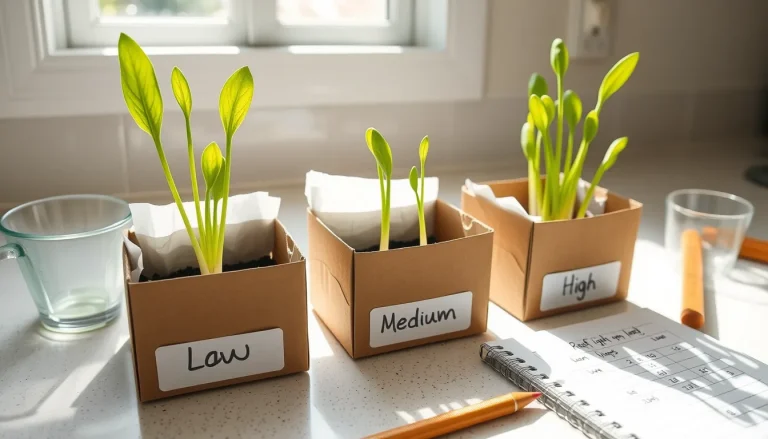
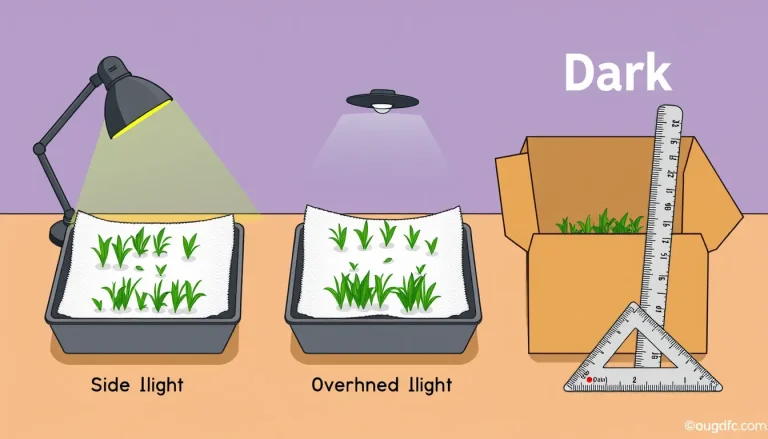
- Comparing two groups of seeds—one kept in a sunny window, another in a darker cabinet—to see how light affects leaf size.
- Varying the amount of water (e.g., 2 ml vs. 5 ml) and graphing shoot height against water volume.
- Adding a simple “seed‑to‑plant” timeline on a wall chart to visualize the stages they recorded.
These extensions turn the observation into a small experiment, but the core journal activity remains valuable on its own.
Sources & references
- PLANTS ALIVE: Garden in a Glove Journal – https://dktix1rrcd7mv.cloudfront.net/legacy/Documents/Educators/TCMUnit_PlantsAliveJournalingD4.pdf
- No Strings Attached – Plant Journal – https://fcit.usf.edu/plans/lessons/lp/lp0038s.htm
- Observations of Change – Denver Urban Gardens – https://dug.org/wp-content/uploads/2025/03/Observations_of_Change.pdf