Chemistry & Materials
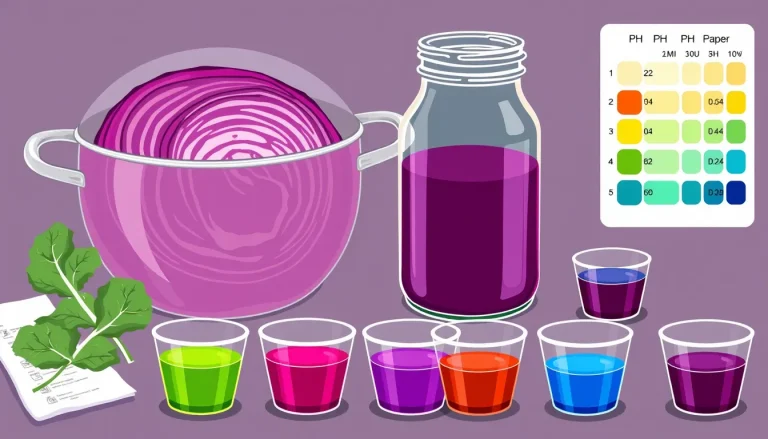
Red Cabbage pH Indicator: Comparing Food‑Based Liquids
Red cabbage juice turns different colours in acidic, neutral, and alkaline solutions, letting children compare the pH of common kitchen liquids and see how…
THE SCIENCE PROJECT LIBRARY
Everyday materials, clear steps, and big questions. Find a hands-on project that fits your curiosity.
Red cabbage juice turns different colours in acidic, neutral, and alkaline solutions, letting children compare the pH of common kitchen liquids and see how…
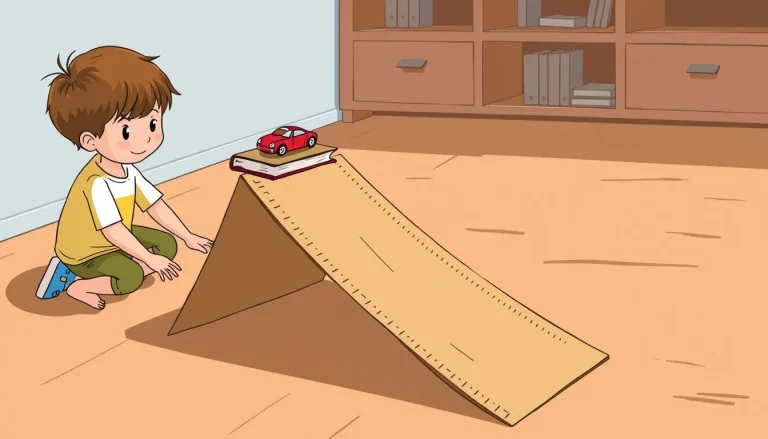
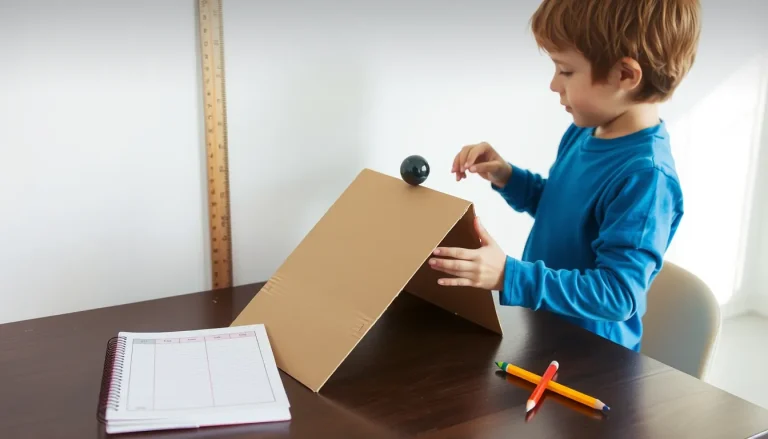
Explore how the height of a ramp influences the distance a toy car rolls. This beginner‑level experiment lets children measure, graph, and explain the…
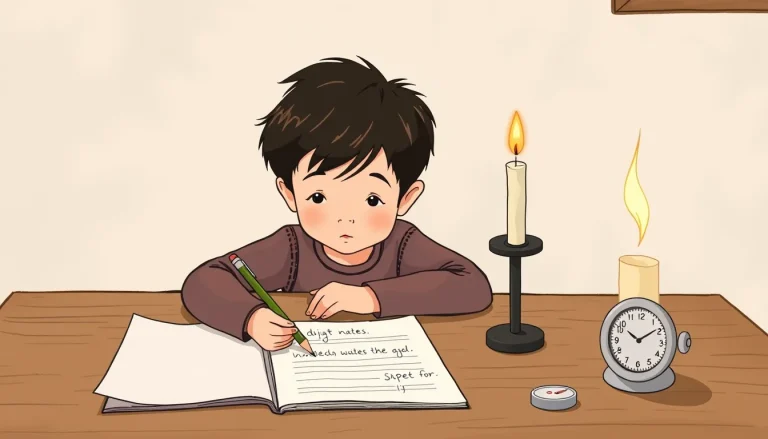
Recording observations objectively means writing down exactly what you see and hear, without adding guesses or interpretations. This guide shows parents, teachers, and homeschool…
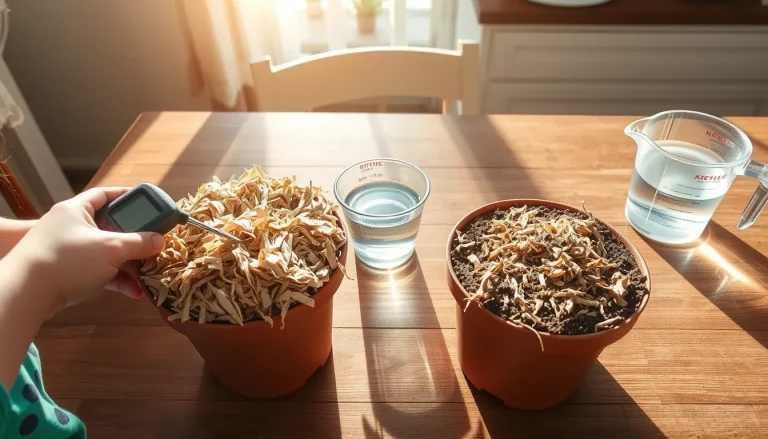
This hands‑on experiment lets children compare soil moisture under mulched and un‑mulched containers, showing how mulch can cut evaporative water loss.
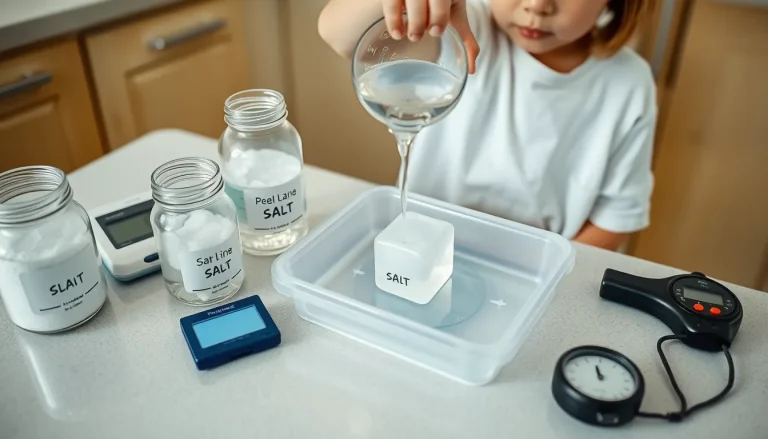
This experiment lets children discover how different amounts of salt change the speed at which ice melts, demonstrating the science of freezing‑point depression with…
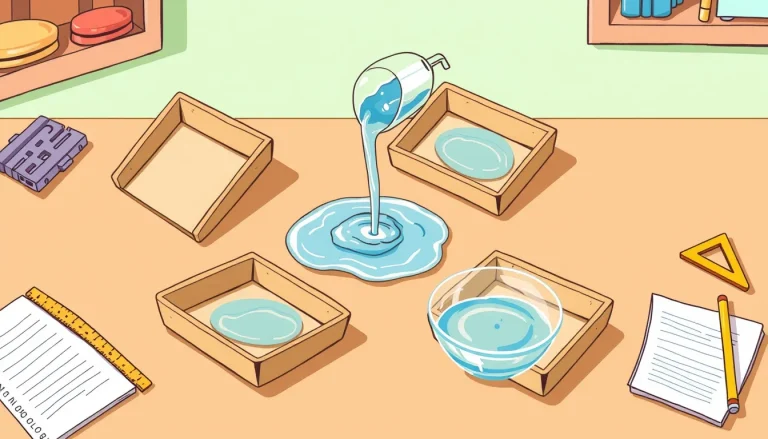
Steeper slopes cause rain to run off faster and in larger amounts. By building tilted trays and measuring the water that drains away, families…
The ideal number of trials depends on the goal, but three to five repeats are a solid starting point for most elementary projects; more…
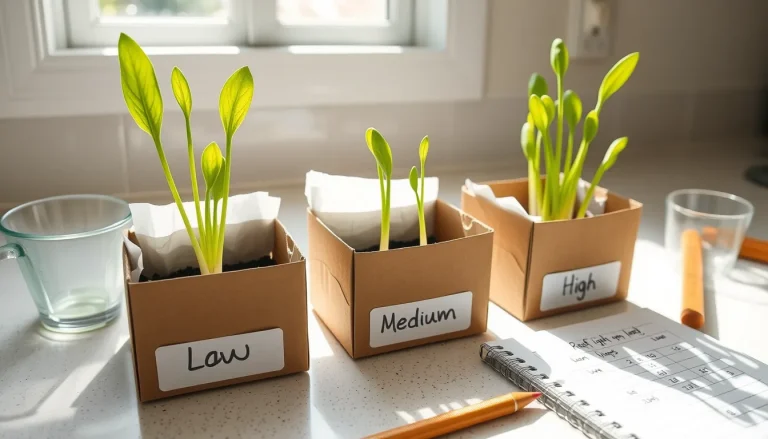
This experiment lets children discover how different amounts of water change the speed and size of radish seedlings. By watering identical seeds with low,…
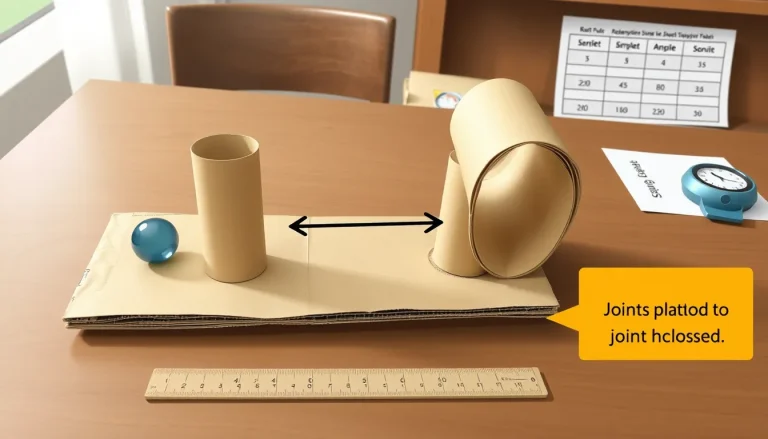
Learn how to turn a simple marble run into a step‑by‑step engineering challenge. By altering one section, testing the effect, and recording the results,…