Orientation
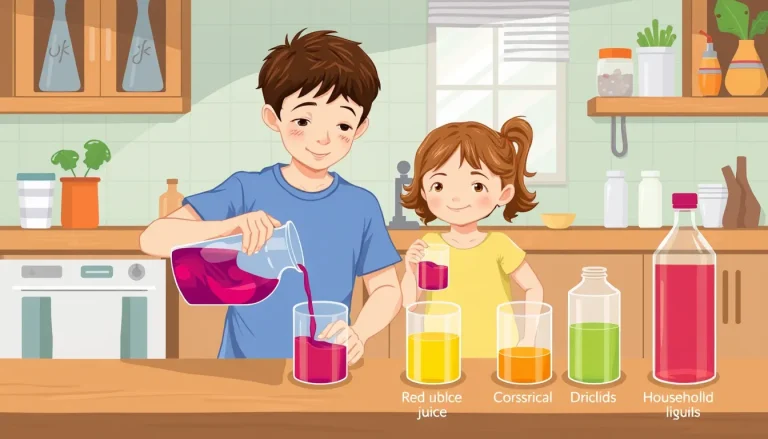
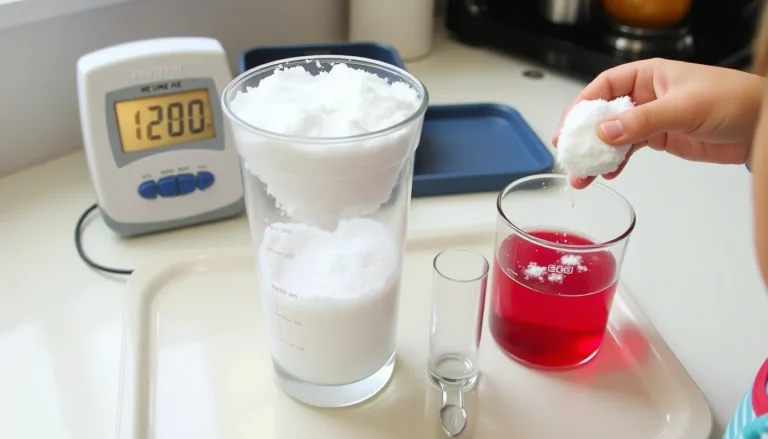
Chemistry is everywhere – from the fizz of a soda to the way bread rises. The good news for parents, teachers, and homeschool families is that most of the core ideas can be demonstrated with items that are already in a pantry or can be bought for a few dollars. This article identifies the ten most affordable materials that reliably support a wide range of chemistry activities, explains the key reactions they enable, and provides a ready‑to‑run example so you can jump straight into discovery.
Before you begin
Even low‑cost materials require basic safety practices. Wear safety goggles or glasses, keep a first‑aid kit nearby, and work on a stable surface covered with newspaper or a disposable tablecloth. Most of the items listed are non‑hazardous at household concentrations, but they can still cause irritation (e.g., vinegar’s acetic acid can sting eyes). Always supervise children, especially those under 10, and store any leftovers out of reach of pets.
Materials – the top ten inexpensive chemistry supplies
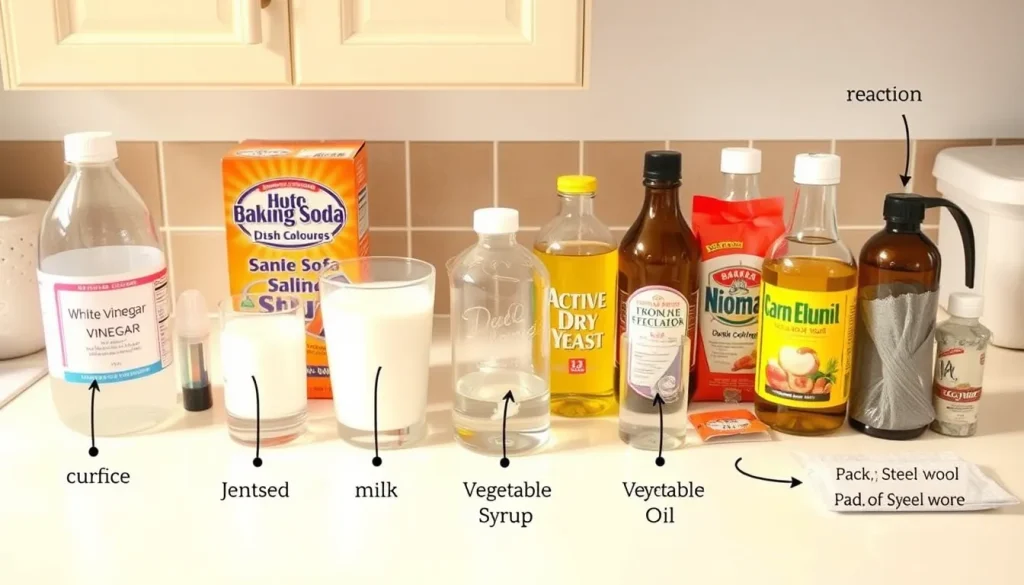
- White vinegar (5 % acetic acid) – the classic acid for acid‑base reactions. A 16‑oz bottle costs under $2 in most grocery stores.
- Baking soda (sodium bicarbonate) – a mild base that reacts vigorously with acids. One box (1 lb) is typically $1‑$2.
- Table salt (sodium chloride) – useful for crystal growing and conductivity tests. A 26‑oz container is about $0.50.
- Dish soap – surfactants lower surface tension, allowing foam‑based experiments. A small bottle costs $1‑$2.
- Food coloring – dyes that make invisible reactions visible. A set of eight colors is roughly $1‑$3.
- Corn syrup (or granulated sugar) – a viscous carbohydrate that demonstrates supersaturation and crystal formation. A 12‑oz bottle costs $2‑$3.
- Milk – contains proteins and fats; useful for curdling experiments and pH indicators when combined with vinegar.
- Vegetable oil (e.g., canola or sunflower) – a non‑polar liquid for density and immiscibility studies. A 1‑qt bottle is $2‑$3.
- Yeast (active dry) – a living catalyst that produces carbon dioxide in fermentation, perfect for gas‑volume measurements.
- Steel wool – fine iron fibers that rust quickly, allowing studies of oxidation and iron‑based redox reactions.
All of these items appear in kitchen‑science lists and inexpensive chemical inventories [1][3][4].
Worked example: Acid‑base reaction with vinegar and baking soda
Materials for the example
- 1 ½ tablespoons white vinegar
- ½ teaspoon baking soda
- 2 tablespoons dish soap
- Food coloring (optional, for visual effect)
- Small clear plastic cup or beaker (100 mL)
- Measuring spoons
- Safety goggles
Steps
- Put on safety goggles.
- Measure the vinegar into the cup.
- Add a few drops of food coloring, if desired, and stir gently.
- Stir in the dish soap – this creates a foam‑stable environment.
- Quickly add the baking soda, step back, and watch the eruption.
What to observe or measure
- Qualitative observation: rapid bubbling, foam height, and color spread.
- Quantitative option: measure the maximum foam height with a ruler or mark a scale on the cup.
The science explained
Vinegar contains acetic acid (CH₃COOH). Baking soda is sodium bicarbonate (NaHCO₃). When mixed, they undergo an acid‑base neutralization:

CH₃COOH + NaHCO₃ → CH₃COONa + H₂O + CO₂↑
The carbon dioxide gas creates bubbles that are trapped by the dish soap, forming a stable foam that looks like a “volcano.” The reaction is fast, exothermic (releases a tiny amount of heat), and safe at household concentrations.
Comparison guide – choosing the right material for your goal
| Material | Main chemical component | Typical cost (USD) | Common classroom uses | Key safety note |
|---|---|---|---|---|
| White vinegar | Acetic acid (≈5 %) | $1‑2 per 16 oz | Acid‑base reactions, pH indicator tests | Avoid eye contact; rinse with water if splashed |
| Baking soda | Sodium bicarbonate | $1‑2 per pound | Neutralization, gas‑production experiments | Generally safe; keep dry to prevent clumping |
| Table salt | Sodium chloride | $0.50 per 26 oz | Crystal growth, conductivity | Non‑hazardous; dissolve fully before handling |
| Dish soap | Surfactants (various) | $1‑2 per bottle | Foam stabilization, surface‑tension demos | Do not ingest; wash hands after use |
| Food coloring | Water‑soluble dyes | $1‑3 per set | Visualizing diffusion, tracking reactions | Stains; keep away from clothing |
| Corn syrup / sugar | Sucrose (or glucose‑fructose mix) | $2‑3 per bottle | Supersaturation, crystal formation | Sticky; clean spills promptly |
| Milk | Proteins, fats, lactose | $2‑4 per gallon | Curdling (acid‑protein interaction), pH tests | Perishable – discard if left unused >2 days |
| Vegetable oil | Triglycerides (non‑polar) | $2‑3 per quart | Density layering, immiscibility studies | Slippery; avoid spills on floors |
| Yeast | Living Saccharomyces cerevisiae | $1‑2 per packet | Fermentation, CO₂ volume measurement | Store in a cool, dry place; keep away from children who may ingest large amounts |
| Steel wool | Iron fibers | $1‑2 per pack | Oxidation (rust) experiments, redox reactions | Sharp edges; wear gloves when handling |
Troubleshooting common issues
- Reaction seems weak or does not fizz. Ensure the vinegar is fresh (acidity decreases over time) and the baking soda is dry. Measure accurately; too little base will limit CO₂ production.
- Foam collapses immediately. Add a little more dish soap or use a higher‑concentration soap. Temperature affects surface tension – warmer mixtures tend to foam less.
- Crystal growth is irregular. Impurities in salt or sugar can create uneven crystals. Use distilled water for dissolving and allow the solution to cool slowly without disturbance.
- Yeast does not produce noticeable gas. Yeast is inactive if stored past its expiration date or exposed to moisture. Provide a small amount of sugar (½ tsp) and a warm environment (30 °C) to activate fermentation.
The science behind each material
Below is a concise explanation of why each of the ten items is chemically useful.
- White vinegar – acetic acid: A weak organic acid that readily donates protons, making it ideal for neutralization reactions and pH‑indicator demonstrations.
- Baking soda – sodium bicarbonate: A basic carbonate that releases CO₂ when it reacts with acids, illustrating gas evolution and acid‑base stoichiometry.
- Table salt – sodium chloride: An ionic compound that dissolves into charged ions, useful for studying electrical conductivity and crystal lattice formation.
- Dish soap – surfactants: Molecules with hydrophilic heads and hydrophobic tails; they lower surface tension, allowing bubbles to persist and demonstrating colloidal stability.
- Food coloring – dyes: Organic molecules that absorb specific wavelengths of light, making them perfect tracers for diffusion, chromatography, and reaction visualization.
- Corn syrup / sugar – carbohydrates: High‑solubility sugars that can become supersaturated when heated, leading to crystal growth as the solution cools – a classic example of nucleation and crystal lattice formation.
- Milk – proteins and fats: Contains casein proteins that coagulate when exposed to acids (curdling). This demonstrates protein denaturation and the effect of pH on biological macromolecules.
- Vegetable oil – non‑polar liquid: Does not mix with water, allowing students to explore density differences, immiscibility, and the concept of polarity.
- Yeast – living cells: Ferments sugars into ethanol and carbon dioxide, providing a biological route to gas‑production and introducing concepts of enzymes and metabolism.
- Steel wool – iron: Fine iron particles oxidize rapidly when exposed to moisture and oxygen, illustrating redox chemistry and the formation of iron(III) oxide (rust).
Next steps
Pick one material from the table that matches the concept you wish to explore, gather the listed supplies, and try the worked example or a related activity from a trusted kitchen‑science guide. As confidence grows, combine materials (e.g., vinegar + salt + food coloring) to create multi‑step investigations that reinforce the scientific method.
FAQ
Are these materials safe for children aged 6–8?
Yes, all ten items are non‑hazardous at typical household concentrations. Adult supervision is still required to prevent eye contact, ingestion, or misuse of sharp objects like steel wool.
Can I reuse leftover vinegar or baking soda for later experiments?
Absolutely. Store vinegar in a sealed container away from heat, and keep baking soda in a dry, airtight jar to preserve its reactivity.
What if I don’t have dish soap – can I still see foam?
Foam will form without soap, but it will collapse quickly. A few drops of liquid hand soap, shampoo, or even a small amount of laundry detergent work as substitutes.
Related terms
- Acid
- A substance that can donate a proton (H+) in water, lowering the pH of the solution.
- Base
- A substance that can accept a proton or release hydroxide ions (OH–), raising the pH of the solution.
- Supersaturation
- A state where a solution holds more dissolved material than it would at equilibrium, leading to crystal formation when disturbed.
- Redox reaction
- A chemical process involving the transfer of electrons, causing one substance to be oxidized and another reduced.
Sources & references
- Babble Dabble Do – "30 Simple Kitchen Science Experiments for Curious Kids" (Top 10 kitchen science experiment ingredients) https://babbledabbledo.com/kitchen-science-projects-for-kids/
- California State University – Appendix 4.1 Common and Inexpensive Sources of Chemicals (acetic acid in vinegar) https://www.csun.edu/science/ref/equipment/ideas/common_chemicals.pdf
- ThoughtCo – "Chemicals for Experiments at Home" (list of household chemicals such as steel wool, vegetable oil, citric acid) https://www.thoughtco.com/home-chemicals-list-607816