Learn step‑by‑step how to plan, build, test, and present an engineering project that meets science‑fair standards, using everyday materials and clear design criteria.
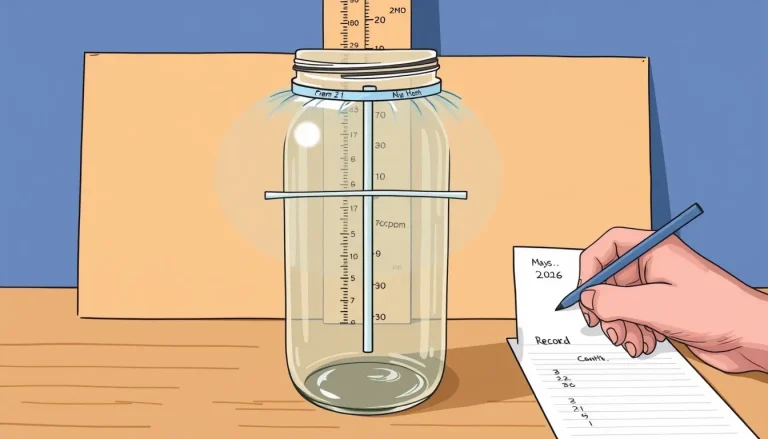
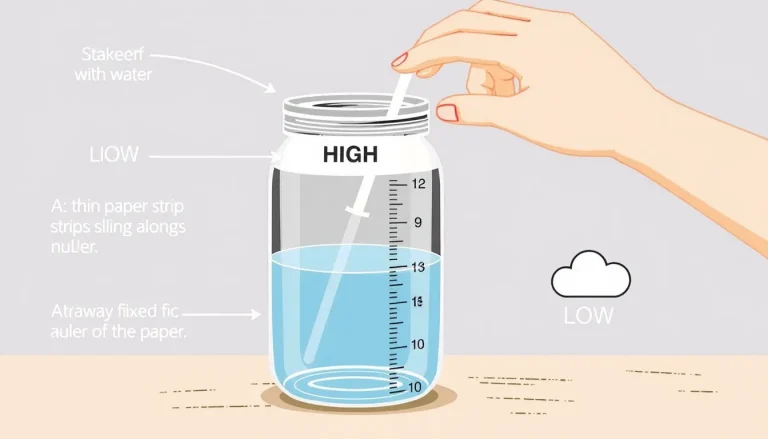
Build a simple barometer using a jar, balloon, straw and cardboard, then record daily pointer movements to see how atmospheric pressure relates to weather…
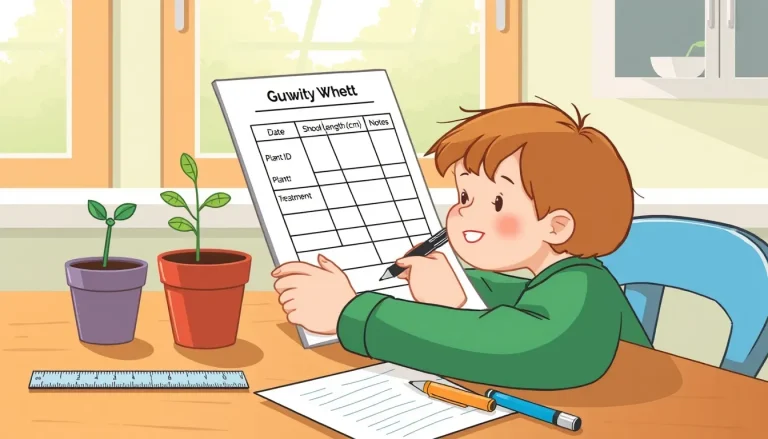
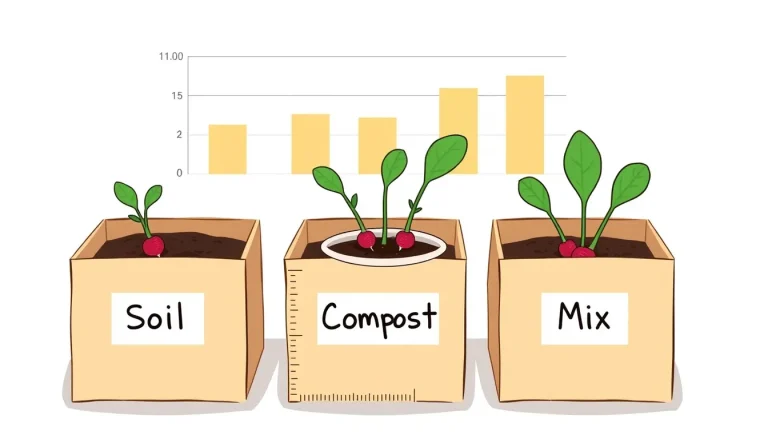
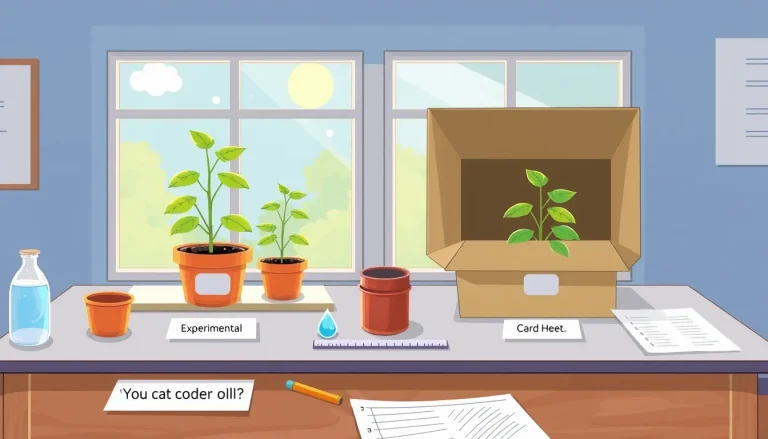
Learn how to design clear, reliable data tables for plant‑growth investigations, from choosing columns and units to recording observations, handling variables, and turning results…
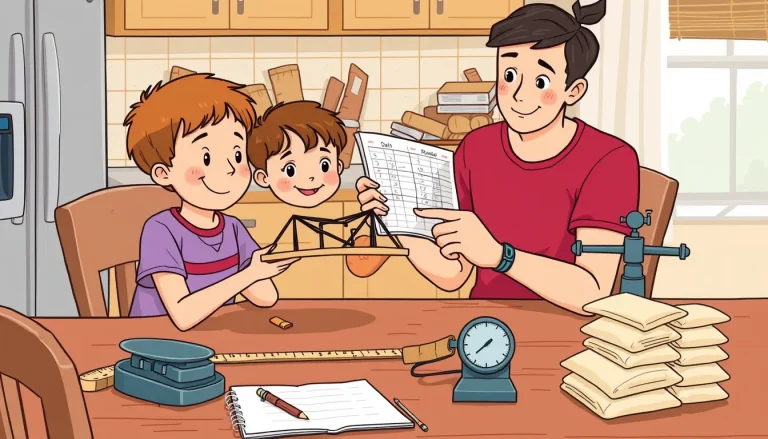
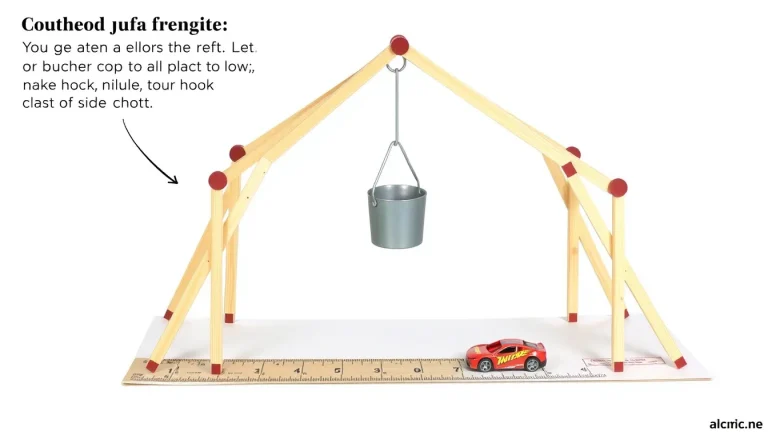
Learn how to guide children ages 6‑14 through an engineering challenge that designs, builds, and load‑tests a popsicle‑stick bridge. The activity covers material limits,…
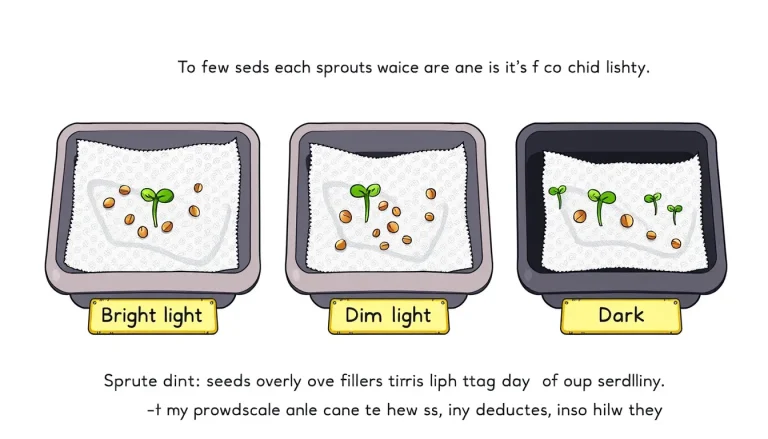
A simple observation activity lets children compare how various seed types sprout at different speeds when grown in bright light, dim light, or darkness,…
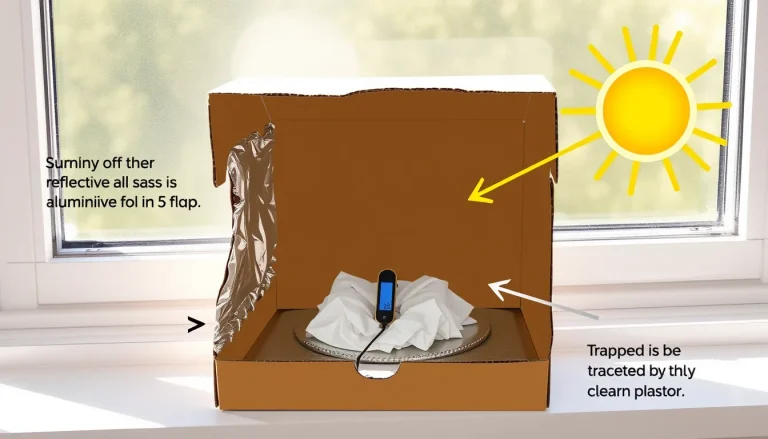
Explore how changing the thickness of insulation inside a cardboard solar oven affects its interior temperature. Build a simple oven, test several insulation layers,…