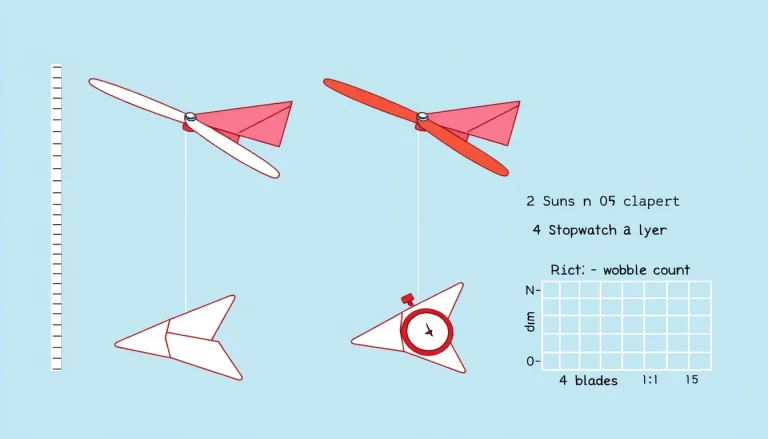
Explore how adding or removing rotor blades influences a paper helicopter’s stability by building three designs, measuring their descent, and analysing the results.
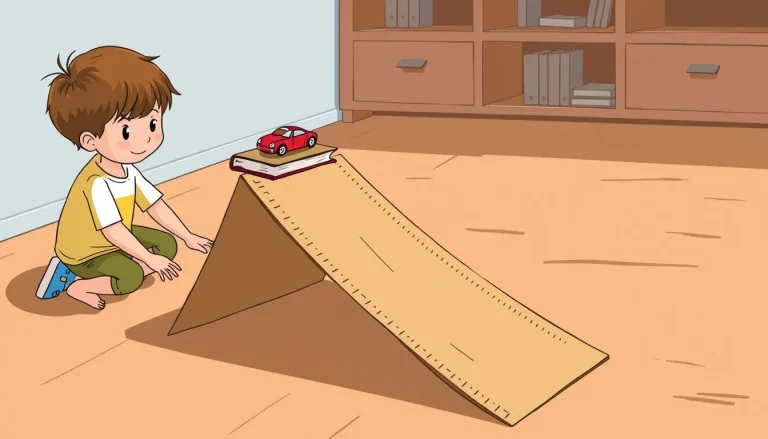
Explore how the height of a ramp influences the distance a toy car rolls. This beginner‑level experiment lets children measure, graph, and explain the…
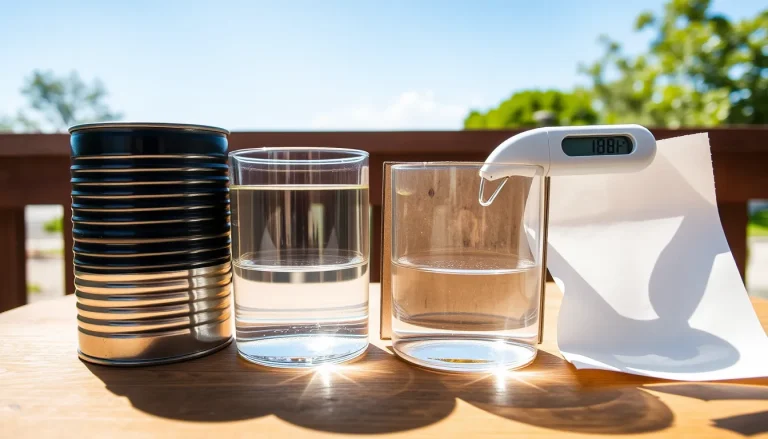
Dark, low‑albedo surfaces such as black‑painted metal or lamp‑black material heat up fastest in direct sunlight, while light‑colored or reflective surfaces stay cooler. By…
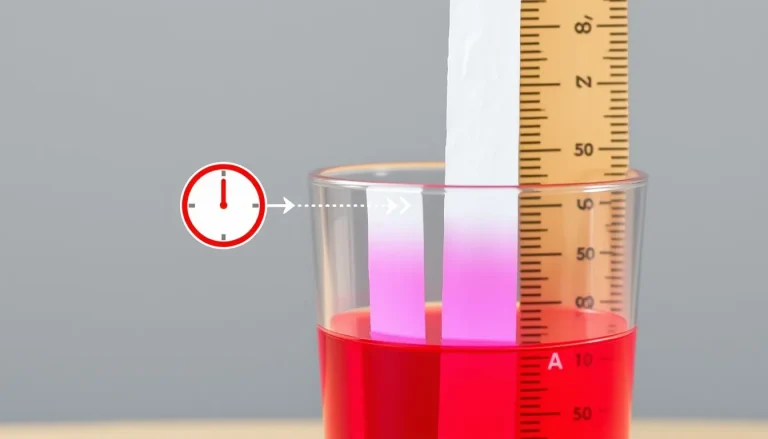
If a science experiment doesn’t work, first check for simple mistakes, reassess uncertainties, and systematically troubleshoot. This guide walks you through a beginner‑level paper‑strip…
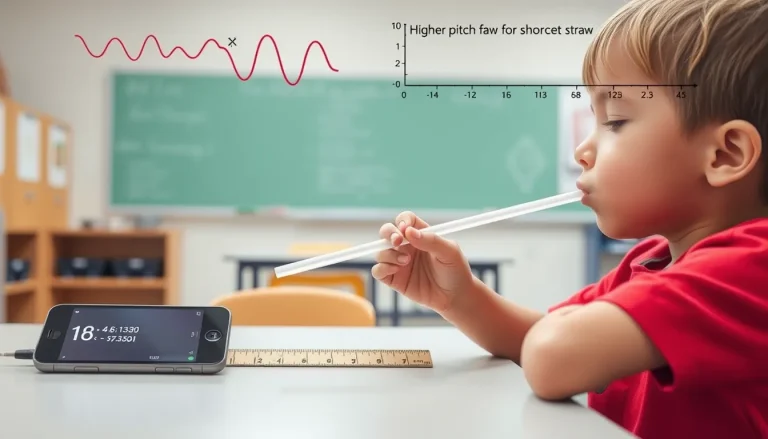
Yes—making a straw shorter raises the pitch, and lengthening it lowers the pitch. By cutting straws to different lengths, measuring the sound frequency, and…
A hypothesis is a testable prediction that guides an experiment. This guide shows how to write clear hypotheses, gives real‑world examples, and walks you…
Step-by-step project
ORDINARY MATERIALS. EXTRAORDINARY POSSIBILITIES.
One good question can start something big.
Find your next hands-on discovery. No fancy lab required.