Chemistry & Materials
Red Cabbage pH Indicator: Comparing Food‑Based Liquids
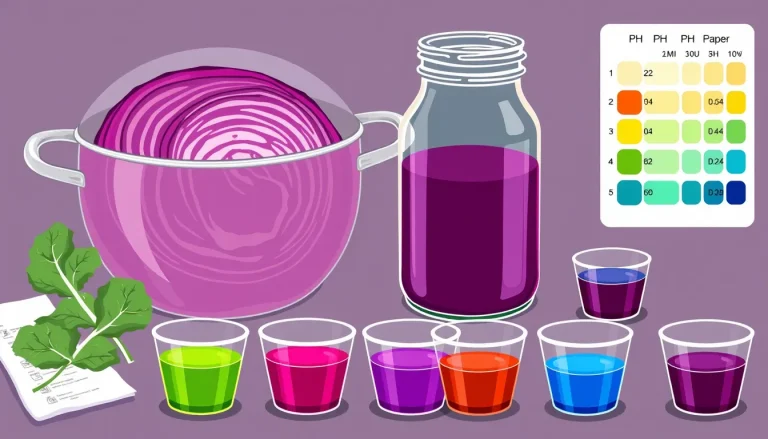
Red cabbage juice turns different colours in acidic, neutral, and alkaline solutions, letting children compare the pH of common kitchen liquids and see how…
PROJECT TYPE COLLECTION
Everyday materials, clear steps, and big questions. Find a hands-on project that fits your curiosity.
Red cabbage juice turns different colours in acidic, neutral, and alkaline solutions, letting children compare the pH of common kitchen liquids and see how…
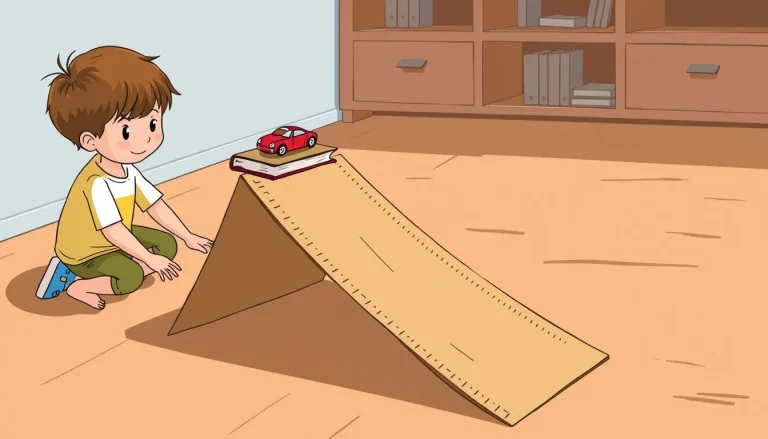
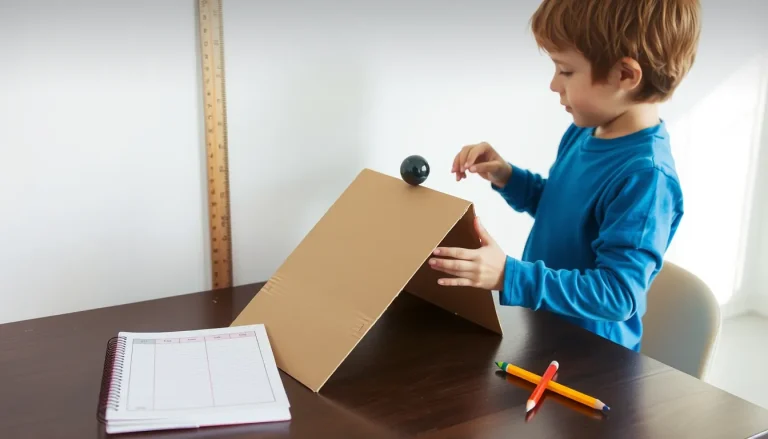
Explore how the height of a ramp influences the distance a toy car rolls. This beginner‑level experiment lets children measure, graph, and explain the…
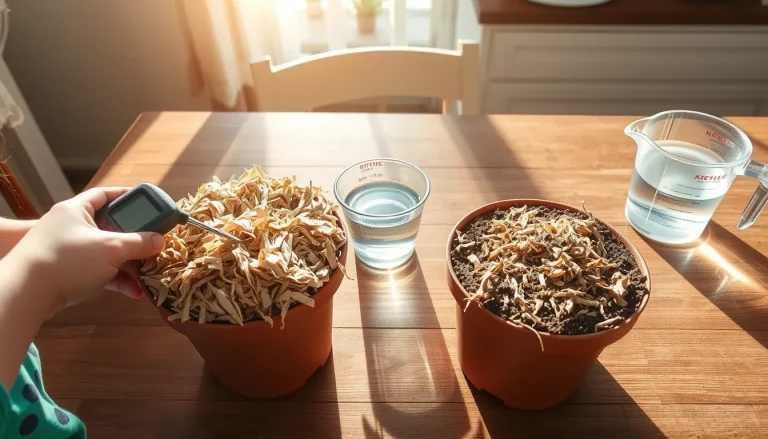
This hands‑on experiment lets children compare soil moisture under mulched and un‑mulched containers, showing how mulch can cut evaporative water loss.
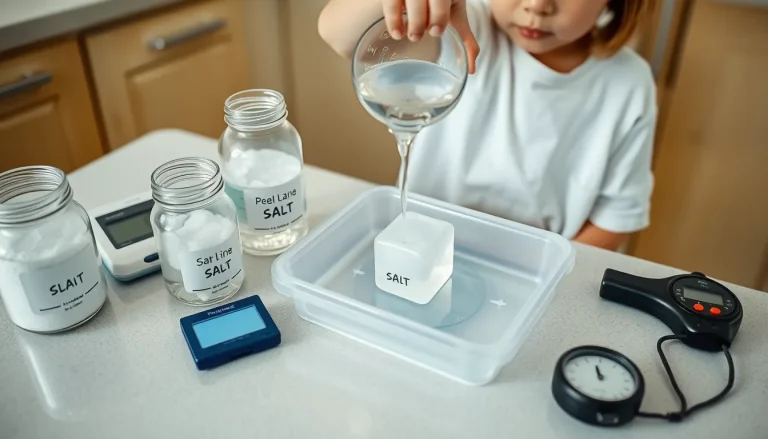
This experiment lets children discover how different amounts of salt change the speed at which ice melts, demonstrating the science of freezing‑point depression with…
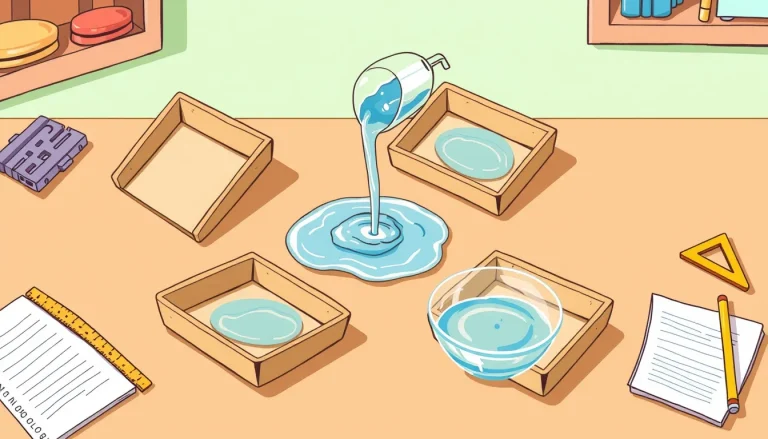
Steeper slopes cause rain to run off faster and in larger amounts. By building tilted trays and measuring the water that drains away, families…
The ideal number of trials depends on the goal, but three to five repeats are a solid starting point for most elementary projects; more…
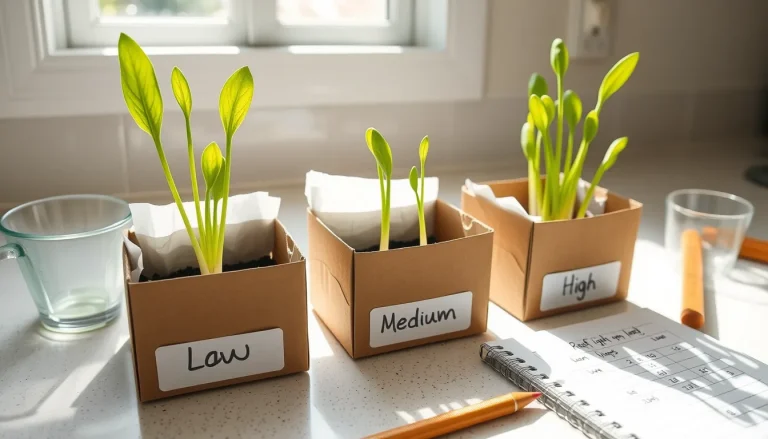
This experiment lets children discover how different amounts of water change the speed and size of radish seedlings. By watering identical seeds with low,…
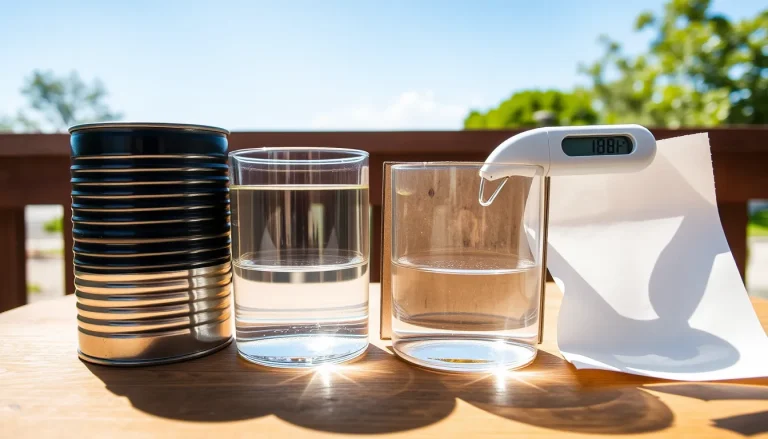
Dark, low‑albedo surfaces such as black‑painted metal or lamp‑black material heat up fastest in direct sunlight, while light‑colored or reflective surfaces stay cooler. By…
If a science experiment doesn’t work, first check for simple mistakes, reassess uncertainties, and systematically troubleshoot. This guide walks you through a beginner‑level paper‑strip…