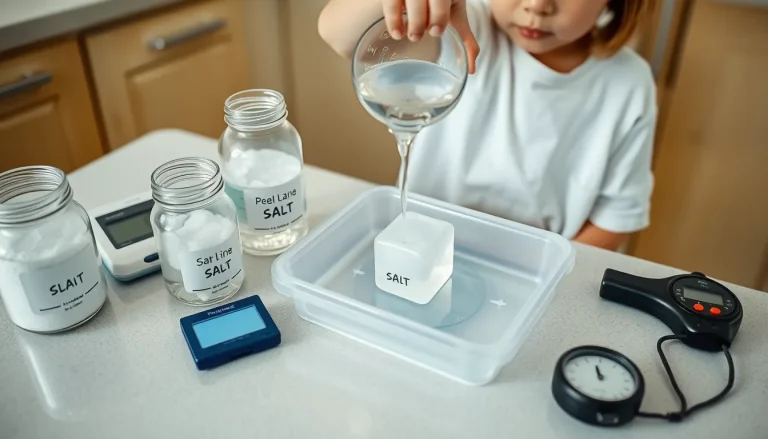
This experiment lets children discover how different amounts of salt change the speed at which ice melts, demonstrating the science of freezing‑point depression with…
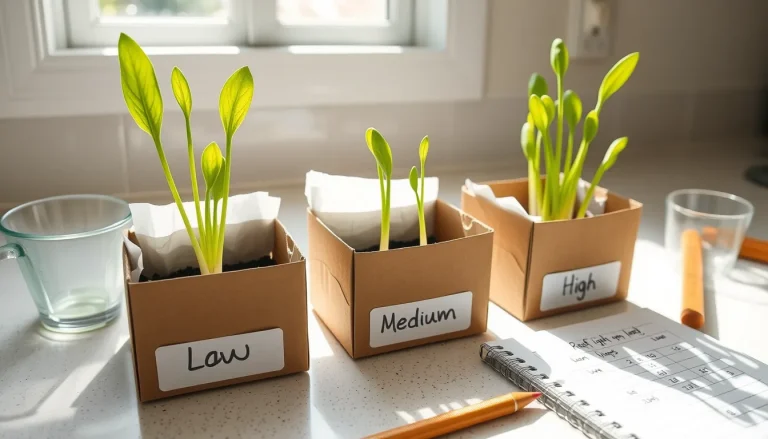
This experiment lets children discover how different amounts of water change the speed and size of radish seedlings. By watering identical seeds with low,…
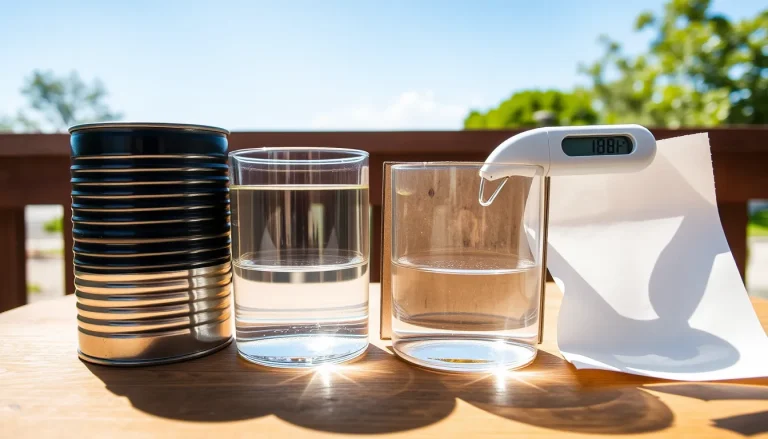
Dark, low‑albedo surfaces such as black‑painted metal or lamp‑black material heat up fastest in direct sunlight, while light‑colored or reflective surfaces stay cooler. By…
If a science experiment doesn’t work, first check for simple mistakes, reassess uncertainties, and systematically troubleshoot. This guide walks you through a beginner‑level paper‑strip…
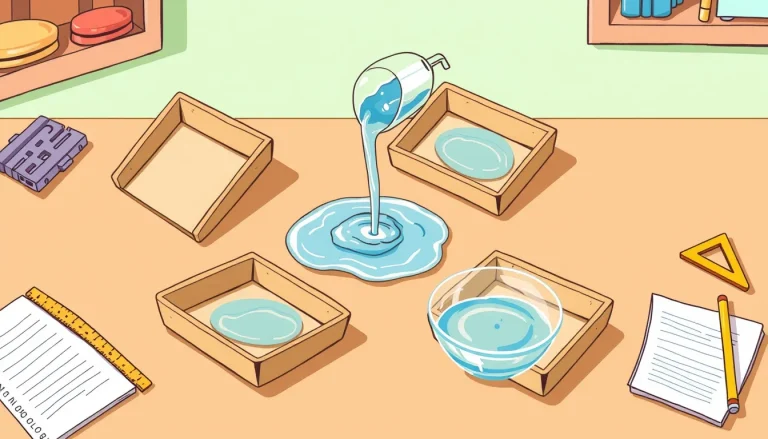
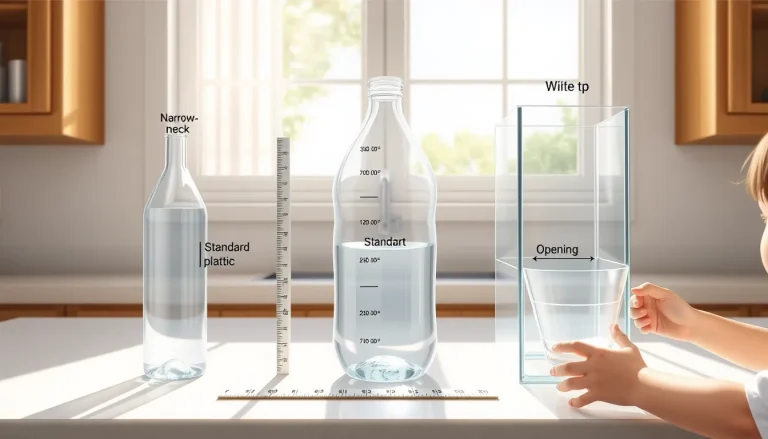
Explore how the amount of open surface influences the speed at which water disappears. By comparing identical volumes of water in containers with different…
A science demonstration becomes a real experiment when you add a clear hypothesis, define variables, use a control, and record repeated measurements. This guide…
Step-by-step project
ORDINARY MATERIALS. EXTRAORDINARY POSSIBILITIES.
One good question can start something big.
Find your next hands-on discovery. No fancy lab required.