Engineering
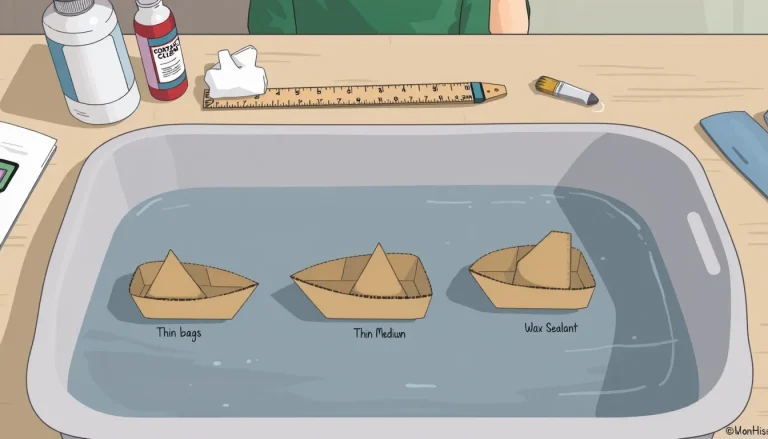
Engineering Challenge: Testing How Cardboard Thickness Affects a Boat’s Load Capacity
Build simple cardboard boats of different wall thicknesses, test how much weight they can carry, and learn why thicker cardboard makes a stronger hull.
MATERIAL COLLECTION
Everyday materials, clear steps, and big questions. Find a hands-on project that fits your curiosity.
Build simple cardboard boats of different wall thicknesses, test how much weight they can carry, and learn why thicker cardboard makes a stronger hull.
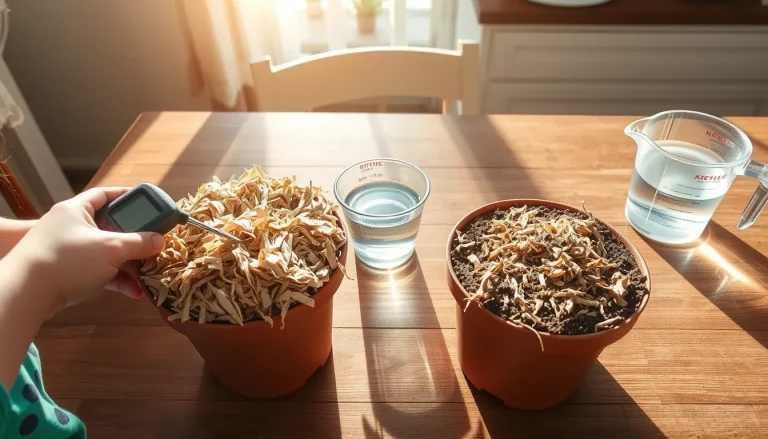
{ “title”: “Do Newspaper Mulch and Cardboard Mulch Differ in Reducing Soil Water Loss? An Experiment”, **”slug”: “newspaper-vs-cardboard-mulch-experiment”, “excerpt”: “This beginner‑level experiment lets kids…
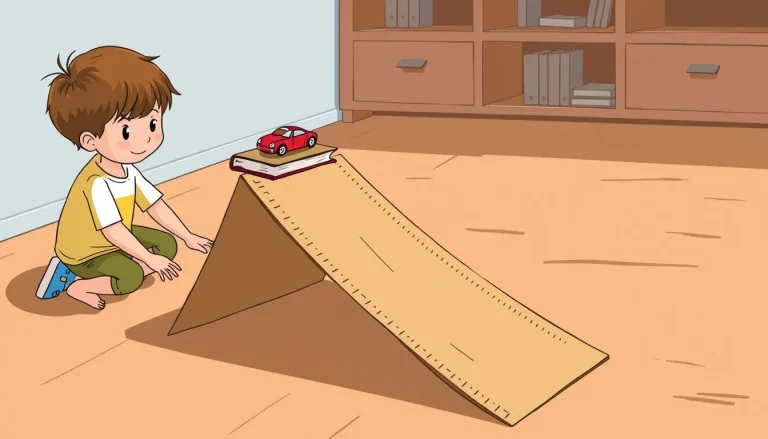
Explore how the height of a ramp influences the distance a toy car rolls. This beginner‑level experiment lets children measure, graph, and explain the…
This hands‑on experiment lets children compare soil moisture under mulched and un‑mulched containers, showing how mulch can cut evaporative water loss.
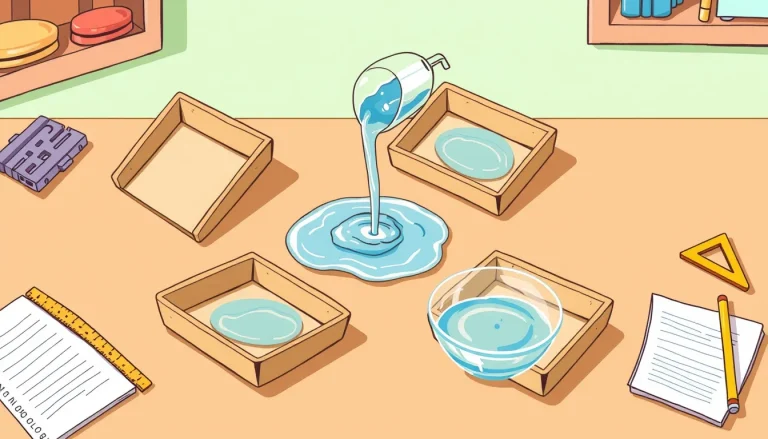
Steeper slopes cause rain to run off faster and in larger amounts. By building tilted trays and measuring the water that drains away, families…
The ideal number of trials depends on the goal, but three to five repeats are a solid starting point for most elementary projects; more…
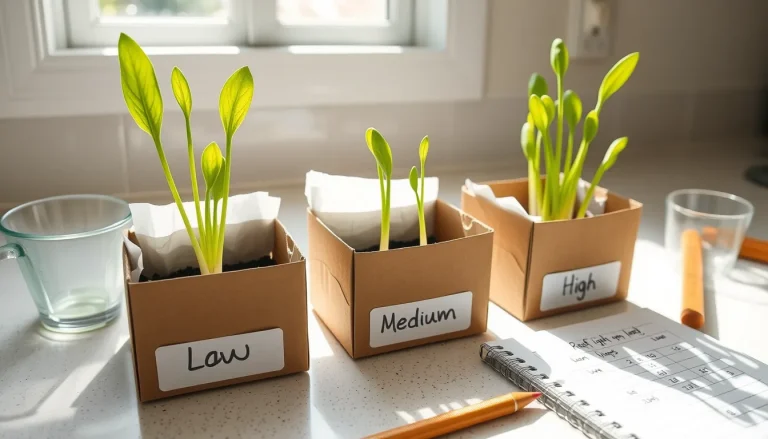
This experiment lets children discover how different amounts of water change the speed and size of radish seedlings. By watering identical seeds with low,…
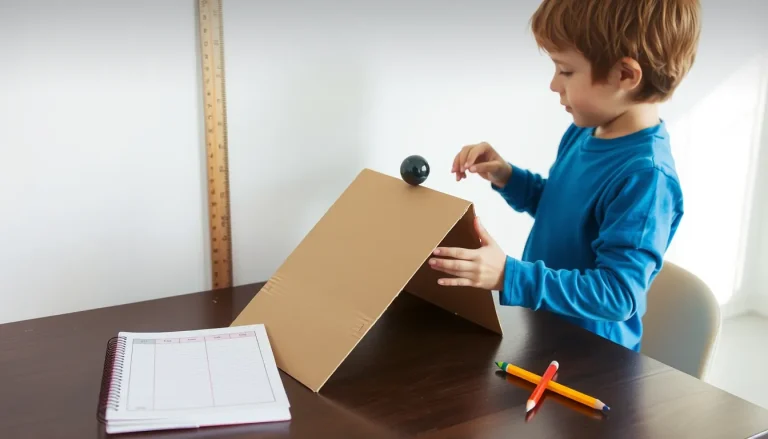
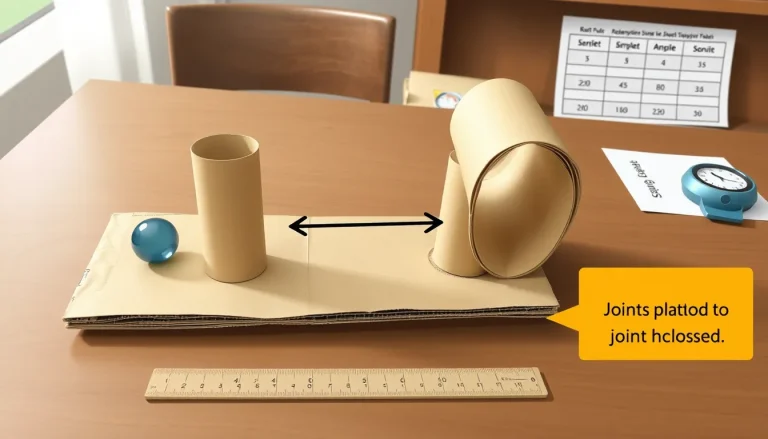
Learn how to turn a simple marble run into a step‑by‑step engineering challenge. By altering one section, testing the effect, and recording the results,…
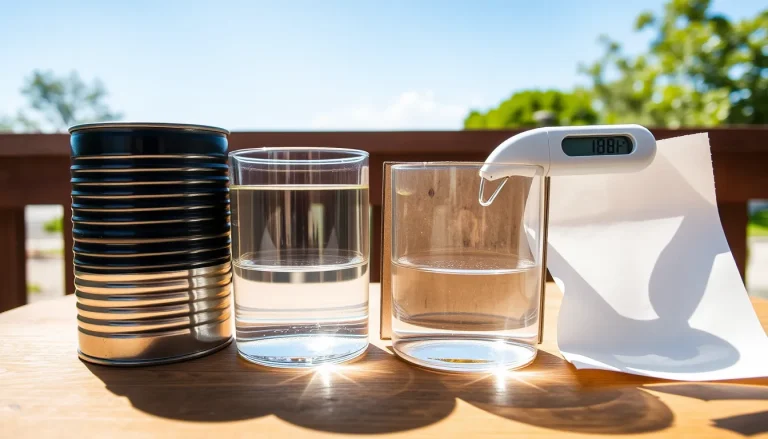
Dark, low‑albedo surfaces such as black‑painted metal or lamp‑black material heat up fastest in direct sunlight, while light‑colored or reflective surfaces stay cooler. By…